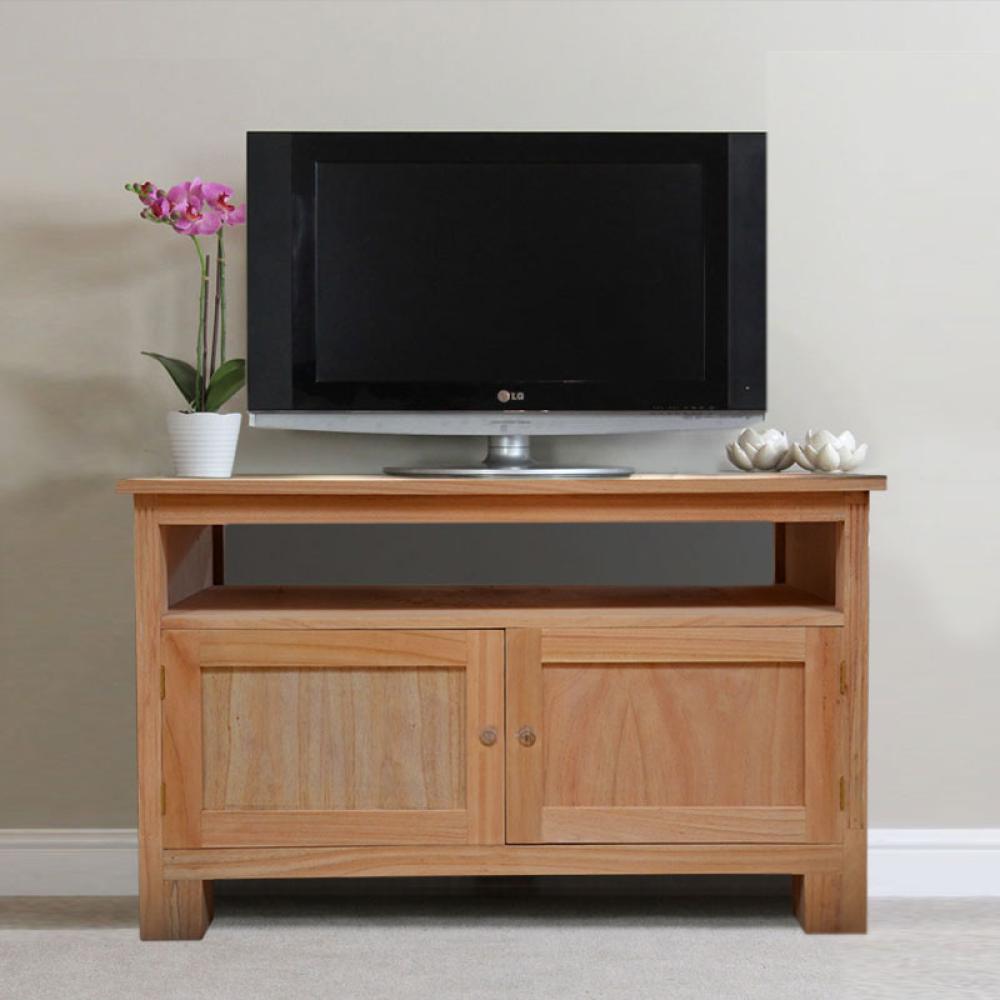
Timeless Elegance Meets Exceptional Craftsmanship: A Comprehensive Review of the BUFFET BATANGAS
In the modern world of interior design, finding furniture that successfully bridges the gap between traditional artistry and contemporary functionality can be a challenging endeavor. Consumers are constantly bombarded with mass-produced, flat-pack alternatives that prioritize low cost over longevity. However, for those who view their living spaces as sanctuaries of style and quality, the search for authentic, well-crafted wooden furniture remains paramount. Enter the BUFFET BATANGAS (Model: Batangas)—a stunning piece of furniture that redefines the standards of dining and living room storage through exquisite material selection, thoughtful proportions, and timeless aesthetic appeal.
This comprehensive review will delve deep into every facet of the BUFFET BATANGAS, exploring its design philosophy, material integrity, dimensional specifications, practical utility, and how it can seamlessly integrate into various interior design motifs.
First Impressions and Aesthetic Appeal
At first glance, the BUFFET BATANGAS commands attention without being ostentatious. Named after the rich cultural heritage of Batangas—a region renowned for its deep appreciation of fine woodwork and traditional Filipino craftsmanship—this buffet embodies a spirit of understated luxury.
The aesthetic is largely defined by the natural beauty of its primary medium: premium teak wood. Teak has long been revered by master craftsmen and furniture connoisseurs alike for its distinct grain patterns, warm honey-brown hues, and luxurious tactile feel. The surface of the Buffet Batangas has been meticulously finished to highlight these natural characteristics, allowing the organic swirls and linear grains of the wood to take center stage. There are no distracting embellishments or flashy hardware to detract from the purity of the design; instead, the piece relies on clean lines, balanced proportions, and the sheer elegance of the timber itself.
Whether placed against a stark white minimalist wall, a moody dark-toned accent wall, or paired with earthy textures in a bohemian-inspired setting, the Batangas model acts as a visual anchor. It brings warmth, character, and a sense of grounding to the room, instantly elevating the overall ambiance.
Material Excellence: The Superiority of Teak
One of the most critical factors in determining the value and longevity of any wooden furniture piece is the material from which it is constructed. The BUFFET BATANGAS is crafted entirely from solid Teak, a choice that immediately places it in a league above standard commercial-grade furniture.
Teak (Tectona grandis) is widely considered the gold standard in hardwood. Its unique cellular structure makes it naturally dense and rich in natural oils and rubber. These inherent properties bestow upon teak several remarkable advantages:
- Unrivaled Durability: Teak is exceptionally strong and resistant to wear and tear. A buffet is a high-traffic piece of furniture—used frequently for storing heavy dinnerware, serving platters, and daily household items. The structural integrity of the Batangas model ensures it can easily bear significant weight without sagging or warping over time.
- Moisture and Pest Resistance: Because of its natural oils, teak is inherently resistant to moisture, humidity, and rotting. Furthermore, these oils act as a natural deterrent against termites and other wood-boring insects. This makes the Buffet Batangas an ideal investment not just for temperate climates, but also for tropical or humid environments where lesser woods might quickly degrade.
- Aging Gracefully: Unlike synthetic materials or painted finishes that peel and chip with age, teak evolves beautifully. Over the years, with minimal maintenance, the wood develops a rich patina that deepens its character, making the piece look even more stunning as it ages.
Investing in a piece made from genuine teak is not merely a purchase; it is an acquisition of a family heirloom that can be passed down through generations.
Proportions and Spatial Integration: Dimensions Analyzed
When planning a room layout, the physical dimensions of a piece of furniture are just as important as its visual appeal. The BUFFET BATANGAS strikes an admirable balance between offering generous storage capacity and maintaining a streamlined, unobtrusive profile.
Let us examine the precise measurements of the Batangas model:
- Height: 75.0000 cm
- Width: 120.0000 cm
- Depth: 60.0000 cm
- CBM (Cubic Meters): 0.5600 m3
Height (75 cm):
At 75 centimeters tall, this buffet sits at a comfortable, ergonomic height. This dimension is particularly strategic. It is low enough to prevent the piece from visually overwhelming a room or blocking windows and wall art, yet tall enough to provide substantial interior storage. Furthermore, the top surface sits at a very usable level. It can comfortably function as a serving station during dinner parties—allowing guests to easily access food, drinks, or glassware—or as a display surface for table lamps, framed photographs, floral arrangements, and curated art pieces.
Width (120 cm):
With a width of 120 centimeters (approximately 4 feet), the Batangas model is exceptionally versatile. It is wide enough to make a statement and provide ample internal compartmentalization, yet compact enough to fit comfortably in medium-sized dining rooms, spacious hallways, cozy apartments, or open-plan living areas. It does not demand an excessive amount of wall space, making it a flexible solution for urban living where space optimization is crucial.
Depth (60 cm):
Depth is often where many sideboards and buffets compromise. A shallow buffet limits what you can store inside, often making it impossible to fit larger serving bowls, bulky table linens, or oversized platters. At 60 centimeters deep, the BUFFET BATANGAS offers exceptional internal volume. This generous depth allows you to store substantial dining room accessories with ease, maximizing the functionality of the interior cavity.
Volume (0.5600 CBM):
With a CBM of 0.5600, the physical footprint and spatial displacement of the unit are well-optimized. It represents a solid, substantial piece of furniture that feels substantial and well-rooted in the space, rather than fragile or flimsy.
Versatility in Functionality
While designated primarily as a buffet (or sideboard), the true charm of the BUFFET BATANGAS lies in its multi-functional nature. Modern homes require furniture that can adapt to changing needs, and the Batangas model rises to this occasion.
1. In the Dining Room:
This is the traditional and perhaps most natural habitat for the buffet. Here, it excels as a storage hub for fine china, silverware, table runners, placemats, and glassware. The spacious top surface can be utilized during festive gatherings as a bar cart or a buffet-style serving table, keeping food out of the way of the main dining table while keeping it easily accessible for seconds.
2. In the Living Room:
As an alternative to a traditional media console or low-boy TV unit, the Buffet Batangas offers a sophisticated upgrade. Its rich teak finish adds warmth to a media room, while the deep interior provides ample space for storing board games, electronic accessories, books, and photo albums.
3. In the Foyer or Entryway:
Make a dramatic first impression on your guests by placing the Batangas model in your entryway. It provides a convenient drop-zone for keys, mail, and bags upon entering the home, while the interior can house seasonal accessories like scarves, gloves, and umbrellas. Topped with a striking mirror and a decorative bowl, it creates a welcoming and organized focal point.
4. In the Bedroom or Home Office:
For those seeking unique bedroom storage, this buffet can serve as a stylish low dresser for folded garments and linens. In a home office, it can act as a credenza to store office supplies, printer accessories, and important files, keeping the workspace clutter-free and visually serene.
Craftsmanship and Detail-Oriented Construction
Behind the sleek exterior of the BUFFET BATANGAS is a dedication to superior construction methodologies. Building furniture out of solid teak requires immense skill, as hardwood behaves differently than engineered woods.
The joinery used in the Batangas model is robust, designed to withstand the natural expansion and contraction of wood caused by changes in temperature and humidity. Every edge is smoothly sanded, presenting a tactile experience that is free from rough spots or splinters. The alignment of the structure speaks volumes about the precision of the manufacturing process; doors (if applicable) close with a reassuring solidity, and the overall frame stands perfectly level, resisting wobbles.
Furthermore, the natural finish applied to the teak protects the wood while allowing it to breathe. It avoids the heavy, plastic-like sheen of thick polyurethane varnishes, opting instead for a subtle, matte or semi-matte finish that honors the organic nature of the material.
Sustainability and Ethical Considerations
In today’s conscientious market, consumers are increasingly concerned about the environmental impact of their purchases. Buying furniture made from solid wood—specifically teak—raises valid questions about sustainability.
It is important to note that reputable manufacturers of high-end teak furniture source their timber from responsibly managed plantations, such as those regulated by government forestry agencies (e.g., Perhutani in Indonesia). These plantations ensure that for every tree harvested, new saplings are planted, maintaining ecological balance and supporting local economies. By purchasing a durable, long-lasting piece like the BUFFET BATANGAS, you are actively participating in a sustainable cycle. Unlike cheap, particle-board furniture that ends up in landfills after a few years, a teak
| buffet batangas Detail | ||||||||||
|---|---|---|---|---|---|---|---|---|---|---|
| Dimension |
| |||||||||
| Model | Batangas | |||||||||
| Material | Teak | |||||||||