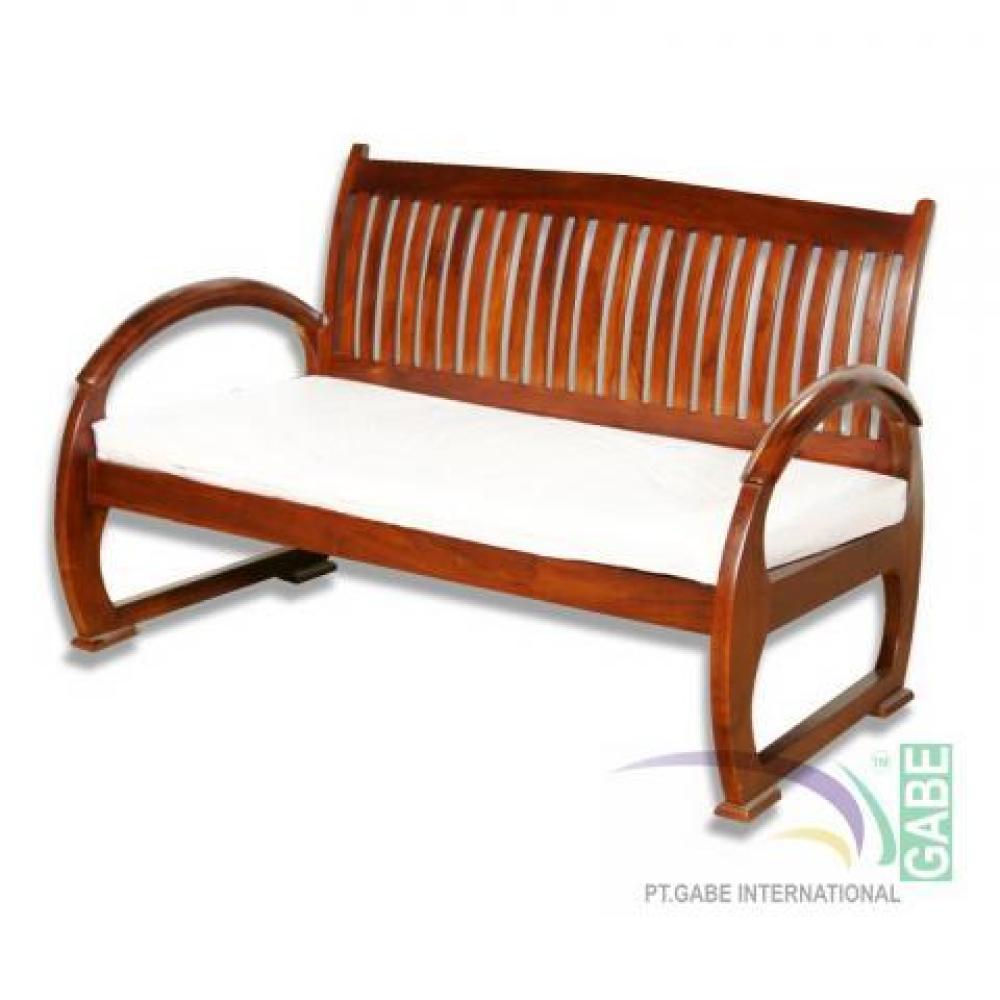
A Timeless Elegance: An In-Depth Review of the BANGKU TAMU PARIS O
When it comes to interior design and home furnishing, the living room serves as the crown jewel of any household. It is the space where we welcome guests, gather with family after a long day, and express our personal aesthetic to the world. Central to this space is seating—specifically, the living room bench or sofa. Among the myriad of options available in the modern furniture market, finding a piece that seamlessly bridges the gap between traditional craftsmanship, durability, and contemporary elegance can be a challenge. Enter the BANGKU TAMU PARIS O (130.5 X 55 X 73), a remarkable seating solution that promises to elevate any living space it graces.
In this comprehensive review, we will take a deep dive into every facet of the BANGKU TAMU PARIS O. From its exquisite material selection and thoughtful design dimensions to its structural integrity, aesthetic versatility, and long-term value, we will explore why this piece deserves a prominent spot in your home.
Introduction to the Paris Model
The "Paris" model carries with it a certain romanticism and architectural pedigree. Often associated with sophistication, understated luxury, and classic European styling, the Paris line in furniture design tends to focus on graceful lines, structural balance, and an appreciation for raw, natural beauty. The BANGKU TAMU PARIS O is no exception. Designed primarily as a guest bench (bangku tamu in Indonesian), it is tailored to offer both comfort and visual appeal, ensuring that your visitors feel both welcomed and impressed.
The Material Masterclass: Premium Teak Wood
One of the most defining characteristics of the BANGKU TAMU PARIS O is its construction material: solid teak wood. In the world of furniture making, teak is widely regarded as the gold standard, particularly for pieces that are built to last generations.
Teak (Tectona grandis) is native to South and Southeast Asia, and it has been utilized for centuries in shipbuilding and high-end architecture due to its extraordinary physical properties. The most notable feature of teak is its high natural oil and rubber content. These natural oils act as built-in preservatives, making the wood exceptionally resistant to moisture, rotting, warping, and fungal attacks.
While many associate teak primarily with outdoor furniture, bringing it indoors elevates the interior aesthetic dramatically. The dense grain of teak wood gives the BANGKU TAMU PARIS O a rich, warm tactile quality. It feels substantial to the touch, communicating a sense of permanence and quality that engineered woods, plastics, or lesser metals simply cannot replicate. Furthermore, teak ages gracefully. Over time, indoor teak develops a deeper, richer patina, meaning your bench will only look more distinguished as the years go by.
Dimensions, Proportion, and Ergonomics
A piece of furniture can be crafted from the finest materials in the world, but if its proportions are off, it fails in its primary function: to be used comfortably. The BANGKU TAMU PARIS O boasts a meticulously engineered set of dimensions that balance visual presence with spatial efficiency.
Let us examine the overall footprint of the unit. With a length of 130.5 centimeters, a depth of 55 centimeters, and a height of 73 centimeters, this bench strikes an ideal balance.
- Length (130.5 cm): This generous span allows the bench to comfortably seat two adults, or even three children, without feeling cramped. It is wide enough to make a statement in a medium-to-large living room, yet compact enough not to overwhelm more intimate spaces.
- Depth (55 cm): A depth of 55 centimeters provides ample seating space. It allows users to sit back comfortably, supporting the thighs adequately without forcing an unnatural posture. Whether used upright for formal conversations or leaned back slightly for relaxed lounging, the depth accommodates various sitting styles.
- Height (73 cm): The overall height of 73 centimeters includes the backrest, giving the bench a supportive structural profile that frames the wall or space behind it beautifully without blocking light or obstructing views through the room.
To further understand the ergonomic footprint of this furniture piece, we can look at the sub-dimensions provided for its physical structure: a seat height of 44.00 cm, a width of 45.00 cm (pertaining to specific modular or seating section parameters), and a depth of 40.00 cm for the seating base itself.
A seat height of 44 centimeters is universally recognized as the ergonomic sweet spot for dining and living room seating. It allows the average adult to sit with their feet resting flat on the floor, keeping the knees at a comfortable 90-degree angle. This reduces strain on the lower back and legs, making prolonged seating enjoyable during long family gatherings, dinner parties, or lively evening conversations with guests.
At a weight of 15.00 kg, the bench achieves a commendable balance between structural stability and maneuverability. It is heavy enough to stay firmly anchored in place during use—preventing annoying sliding or wobbling—yet light enough to be repositioned by one or two people when it is time to rearrange the room or clean the floors.
Aesthetic Appeal and Visual Integration
Visually, the BANGKU TAMU PARIS O is a masterclass in transitional design. It successfully straddles the line between traditional craftsmanship and modern minimalism.
The natural wood grain of the teak is allowed to take center stage. Rather than masking the wood with heavy, opaque paints, the design celebrates the organic knots, swirls, and golden-brown hues inherent to high-grade teak. This makes each individual bench unique; no two pieces will share the exact same grain pattern, giving you a bespoke work of art in your living room.
The silhouette of the Paris model incorporates clean, vertical, and horizontal lines softened by subtle curves, particularly where the backrest meets the frame or where the legs taper toward the floor. This design restraint ensures that the bench does not visually clutter the room. Instead, it adds a layer of organic texture and warmth.
How does this translate to interior styling? The versatility of the BANGKU TAMU PARIS O is staggering:
- Scandinavian & Japandi Interiors: The clean lines and emphasis on natural wood make it an ideal pairing for light neutral color palettes, minimalist decor, and indoor house plants.
- Classic & Traditional Homes: The rich teak tones complement darker wood finishes, oriental rugs, and classic upholstery, adding a touch of understated aristocratic charm.
- Modern Industrial Spaces: Paired against exposed brick, concrete walls, or metal accents, the warm wooden bench acts as a necessary counter-balance, softening the industrial harshness and injecting organic warmth into the room.
Practicality and Versatility in Everyday Living
While the nomenclature designates it as a bangku tamu (guest bench), the utility of this piece extends far beyond the formal living room. Modern homes demand multi-functional furniture, and the BANGKU TAMU PARIS O rises to this occasion.
- The Living Room Focal Point: Placed against a prominent living room wall, perhaps beneath a piece of large-scale art or a decorative mirror, it serves as an inviting invitation to sit. Add a few throw pillows or a cozy knitted blanket, and you instantly change the seasonal mood of the room.
- The Grand Entryway: Imagine greeting your guests with this stunning teak bench in the foyer or entryway. It provides a practical spot for putting on or taking off shoes, dropping bags, or laying down mail, all while making a breathtaking first impression of your home’s interior design standard.
- The Alternative Dining Solution: In open-plan homes where dining and living spaces bleed into one another, this bench can easily double as alternative seating for a rustic dining table, creating a relaxed, communal dining atmosphere reminiscent of farmhouse-style banquets.
- The Bedroom Accent: Placed at the foot of a master bed, it provides a convenient surface for laying out the next day’s outfit or offering a quiet spot to read a book before sleep.
Durability and Maintenance: A Long-Term Investment
When purchasing furniture, savvy consumers do not just look at the price tag; they look at the cost per year of ownership. In this regard, the BANGKU TAMU PARIS O represents an exceptional investment.
Because it is constructed from solid teak, it possesses a natural resilience that protects it from the rigors of daily life. It won’t easily scratch, dent, or succumb to structural fatigue. Families with children or pets will particularly appreciate the robust nature of the wood; unlike upholstered sofas that are prone to staining, tearing, or trapping allergens, a wooden bench is remarkably forgiving. Spills can be wiped away instantly with a damp cloth, and pet hair does not cling to it.
Maintenance is refreshingly straightforward. To keep the teak looking its absolute best, routine dusting with a soft, dry cloth is usually all that is required. For periodic maintenance, applying a natural teak oil or beeswax can help preserve the wood’s moisture barrier and enhance its natural golden glow. Even if left unattended for years, teak simply develops a distinguished silvery-grey patina, which many vintage furniture enthusiasts actively seek out.
Environmental and Ethical Considerations
In today’s conscious consumer market, the origin of our furniture matters deeply. Teak furniture, when sourced responsibly, represents a sustainable choice. Unlike petroleum-derived synthetic plastics or fast-furniture particle boards that end up in landfills within a few years, solid teak furniture is biodegradable, recyclable, and built to last for decades, thereby reducing the cycle of constant consumption and waste. Investing in a piece like the BANGKU TAMU PARIS O is a vote for longevity and sustainable craftsmanship.
Conclusion
The BANGKU TAMU