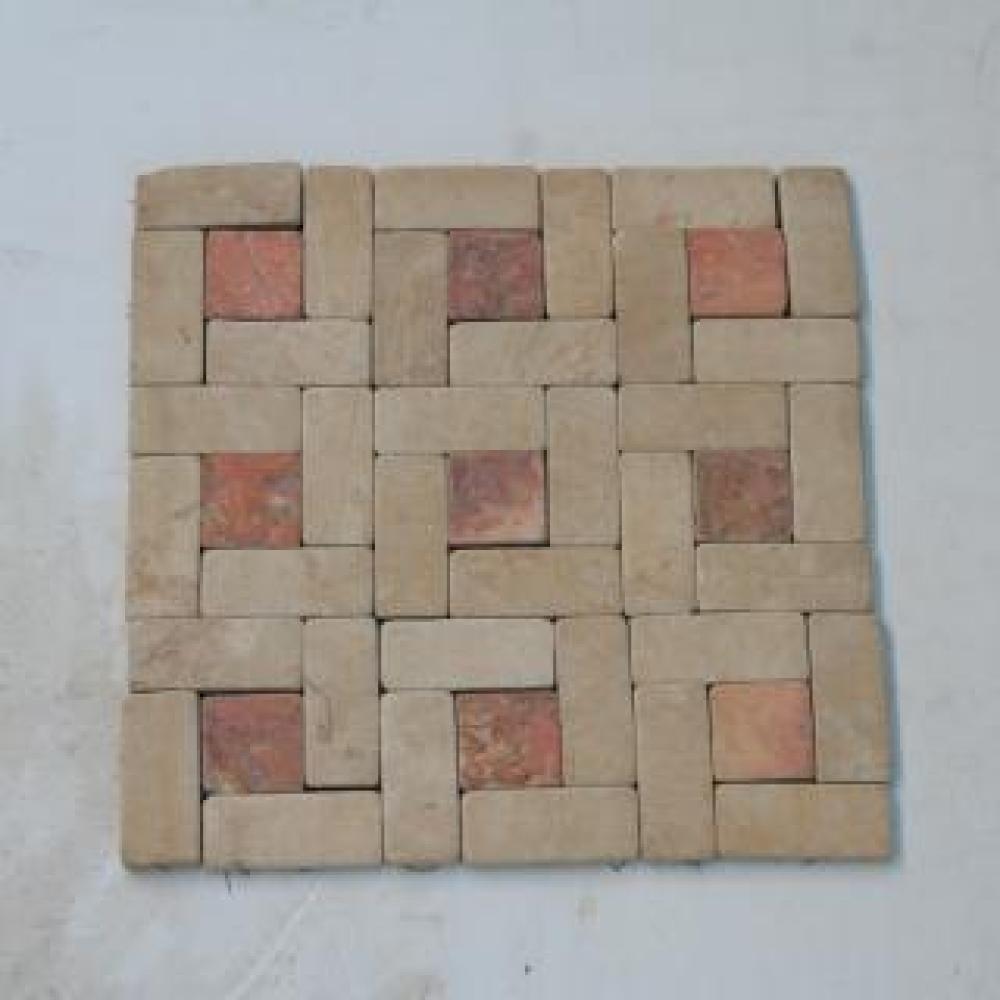
The Timeless Elegance of Nature: A Comprehensive Review of LAVA STONE Tiles
Introduction: Bringing Earth’s Raw Power into Modern Architecture
In the world of interior design and architectural finishes, the quest for materials that seamlessly bridge the gap between raw, untamed nature and sophisticated human habitation is ongoing. Designers, architects, and homeowners constantly search for elements that do not merely decorate a space, but define its very soul. Enter LAVA STONE, a material forged in the fiery depths of the earth, cooled by time, and meticulously crafted into architectural tiles that redefine luxury and durability.
At first glance, natural stone tiles are a common sight in the construction industry. Marble offers classic opulence, granite provides unyielding strength, and limestone brings a soft, earthy warmth. However, none of these quite capture the dramatic narrative, textural depth, and elemental resilience of Lava Stone. Born from volcanic activity, this material carries a piece of geological history within every square inch.
This comprehensive review delves deep into the LAVA STONE tile, exploring its origins, aesthetic appeal, technical specifications, installation versatility, and long-term value. Whether you are planning a complete residential overhaul, designing a high-end commercial lobby, or simply seeking to incorporate a touch of organic luxury into your living environment, this in-depth analysis will reveal why LAVA STONE is rapidly becoming the material of choice for discerning visionaries.
Geological Origins and Material Authenticity
To truly appreciate the LAVA STONE tile, one must first understand its genesis. Formed from molten magma that reaches the Earth’s surface during volcanic eruptions, this stone undergoes a rapid yet natural cooling process. As gases escape the cooling lava, they leave behind characteristic tiny cavities, fissures, and micro-pores. This unique geological signature is what gives Lava Stone its legendary porous texture and distinctive appearance.
Unlike synthetic materials manufactured in sterile factory environments, every single LAVA STONE tile is entirely unique. No two tiles share the exact same pattern of pores, tonal variations, or surface grain. This inherent variability is not a flaw; rather, it is the ultimate luxury in modern design. It ensures that your floor, wall, or facade is a one-of-a-kind masterpiece sculpted by nature itself over millennia.
The extraction and processing of Lava Stone require a delicate balance of modern technology and artisanal respect. Quarried from select volcanic regions around the globe, the raw stone is cut into precise tile formats using advanced diamond-wire saws. This ensures strict dimensional accuracy, allowing for tight grout lines and a seamless, professional installation, while preserving the raw, organic character of the stone’s face.
Aesthetic Appeal: The Visual and Tactile Symphony of LAVA STONE
Aesthetics are often the primary driver in material selection, and on this front, LAVA STONE tiles perform exceptionally well. The visual language of this stone is bold yet understated, rugged yet refined.
Color Palette and Tone
The natural color palette of LAVA STONE typically ranges from deep charcoal grays and midnight blacks to subtle ash tones with occasional warm undertones. This neutral yet dramatic spectrum makes it an exceptionally versatile design element. It acts as a grounding force in interior spaces, anchoring vibrant color schemes while harmonizing effortlessly with minimalist, industrial, Scandinavian, and even contemporary tropical aesthetics.
In bright, sunlit environments, the dark tones of the tile absorb and diffuse light rather than glaring back at the viewer, creating a soft, velvety matte effect. In moodier, warmly lit settings, the stone’s textured surface catches shadows, adding depth, dimension, and a sense of theatrical luxury to walls and floors.
Texture and Tactility
Beyond sight, LAVA STONE engages the sense of touch. The naturally occurring vesicular texture (the tiny holes formed by trapped gas bubbles) provides a tactile experience that smooth ceramic or polished marble simply cannot replicate. Running a hand across a LAVA STONE tile reveals a subtle roughness that reminds the observer of the earth’s raw energy, yet the edges are smoothly finished to ensure safe and comfortable handling and installation.
This interplay between rough and smooth, dark and nuanced, makes the tile a favorite among interior designers who want to create multi-sensory environments. It adds architectural gravity to otherwise flat surfaces, transforming ordinary walls into dramatic accent features and turning basic floors into pathways of tactile discovery.
Versatility in Application: From Floor to Facade
One of the most remarkable attributes of the LAVA STONE tile is its incredible adaptability across various architectural applications. Whether applied in residential sanctuaries or high-traffic commercial zones, these tiles perform admirably.
1. Flooring Solutions
As a flooring material, LAVA STONE offers a rare combination of visual drama and practical endurance.
- Indoor Spaces: In living rooms, kitchens, and hallways, dark volcanic tiles create a sophisticated, grounding foundation. They complement natural wood furniture, brushed brass fixtures, and lush indoor greenery.
- Wet Areas: Thanks to its natural grip provided by the porous surface texture, LAVA STONE is an exceptional choice for bathrooms and spa surrounds. It prevents slipping while offering a luxurious, resort-like ambiance underfoot.
2. Wall Cladding and Feature Walls
Vertical applications are where LAVA STONE truly shines. Using these tiles as a feature wall behind a television, as a dramatic backsplash in a modern kitchen, or as an accent wall in a hotel lobby instantly elevates the space. The tiles draw the eye, creating an immediate focal point that exudes high-end sophistication. Furthermore, when illuminated with directional wall washers or LED strip lighting, the textured surface casts intricate shadows that change throughout the day as natural and artificial light shifts.
3. Outdoor and Exterior Landscapes
Because it was born in extreme heat and pressure, Lava Stone is inherently weatherproof. This makes it an ideal candidate for exterior applications.
- Patios and Pool Decks: The stone remains relatively cool compared to man-made concrete pavers under direct sunlight, and its natural drainage properties help manage surface water.
- Building Facades: Architects frequently utilize LAVA STONE tiles for exterior cladding on modern commercial buildings and luxury residences. The stone resists UV degradation, acid rain, and extreme temperature fluctuations, ensuring that the building’s exterior maintains its striking appearance for decades with minimal maintenance.
Durability, Performance, and Maintenance
Investing in natural stone is a commitment to longevity, and LAVA STONE is among the most durable materials available in the architectural market.
Unmatched Resilience
Volcanic rock is, by definition, fire-resistant, heat-resistant, and structurally robust. LAVA STONE tiles do not easily crack, warp, or chip under heavy loads. This makes them ideal for high-traffic commercial environments such as boutique retail stores, upscale restaurants, and luxury hotel corridors where lesser materials would quickly show signs of wear and tear.
Weather and Thermal Resistance
Unlike wood that rots or certain softstones that crumble under freeze-thaw cycles, Lava Stone’s dense crystalline structure resists moisture penetration and thermal shock. Whether installed in freezing mountain chalets or humid tropical coastal villas, the tile remains structurally uncompromised.
Maintenance and Care
Because of its porous nature, proper sealing is recommended upon installation, particularly in areas prone to staining such as kitchens or dining spaces. A high-quality penetrating stone sealer will fill the microscopic pores just beneath the surface, preventing oils, wines, and liquids from penetrating while preserving the natural matte look and texture of the stone.
Routine maintenance is refreshingly simple: regular sweeping or vacuuming to remove loose grit, followed by damp-mopping with a pH-neutral stone cleaner. Avoid harsh acidic or abrasive chemical cleaners, which can dull the surface over time. With this basic level of care, LAVA STONE tiles will actually develop a beautiful, rich patina as they age, enhancing their character rather than diminishing it.
Sustainability and Eco-Consciousness in Modern Design
In today’s architectural landscape, environmental responsibility is no longer optional; it is a fundamental requirement. Specifiers and homeowners increasingly demand materials that leave a minimal carbon footprint and are sourced ethically.
LAVA STONE scores remarkably high on the sustainability index:
- Naturally Occurring Resource: Unlike ceramic tiles that require massive amounts of energy in industrial kilns to fire clay, Lava Stone is a naturally formed material harvested directly from the earth. While cutting and finishing require energy, the baseline material requires no artificial manufacturing process.
- Exceptional Lifespan: The old adage "buy well, buy once" applies perfectly here. The multi-decade (and often multi-generational) lifespan of LAVA STONE means fewer replacements, less construction waste, and reduced demand for raw material extraction over time.
- Recyclability: Natural stone is 100% recyclable and biodegradable at the end of its lifecycle, releasing no harmful microplastics or synthetic toxins back into the ecosystem.
For projects aiming for LEED certification or striving to meet strict green-building standards, incorporating LAVA STONE tiles is an aesthetically pleasing and environmentally sound choice.
Installation Insights and Professional Recommendations
To achieve the best possible results with LAVA STONE tiles, proper installation techniques are paramount. While the process is similar to installing other natural stones, a few specific considerations will ensure a flawless finish:
- Subfloor Preparation: Ensure the subfloor or wall substrate is completely flat, structurally sound, and clean. Any irregularities in the foundation can compromise the integrity of the stone tiles.
- Dry Laying (Layout Planning): Because every tile possesses unique tonal variations and patterning, it is strongly recommended to "dry lay" a batch of tiles before applying mortar. This allows the installer or designer to distribute darker and lighter tones harmoniously across the surface, avoiding heavy concentrations of one shade in a single corner.
- Choosing the Right Adhesive: Use a high-quality, polymer-modified thin-set mortar specifically rated for natural stone
| lava stone Detail | |||||||||||
|---|---|---|---|---|---|---|---|---|---|---|---|
| Dimension |
| ||||||||||
| Model | Tile | ||||||||||
| Material | Lava Stone | ||||||||||