Embracing Earthy Elegance: A Comprehensive Review of the GUCI BAWANG Terracotta Masterpiece
In an era dominated by mass-produced synthetic decor, sleek plastics, and cold metals, there is a profound, grounding luxury in returning to nature. Homeowners and interior designers alike are constantly on the hunt for pieces that not only fill a space with aesthetic value but also tell a story, connect us to the earth, and bring a sense of organic warmth into our living environments. Enter the GUCI BAWANG—a stunning terracotta vessel that effortlessly bridges the gap between traditional craftsmanship and contemporary interior design.
Named affectionately after the Indonesian word for onion ("bawang") due to its distinctive, bulbous silhouette, this piece is much more than a mere decorative container. It is a sculptural statement, a testament to the versatility of terracotta, and a celebration of timeless artisan techniques. In this review, we will explore every facet of the GUCI BAWANG, from its physical dimensions and material integrity to its styling versatility and long-term value, providing you with an in-depth look at why this exquisite creation deserves a prominent place in your home.
First Impressions and Visual Aesthetics
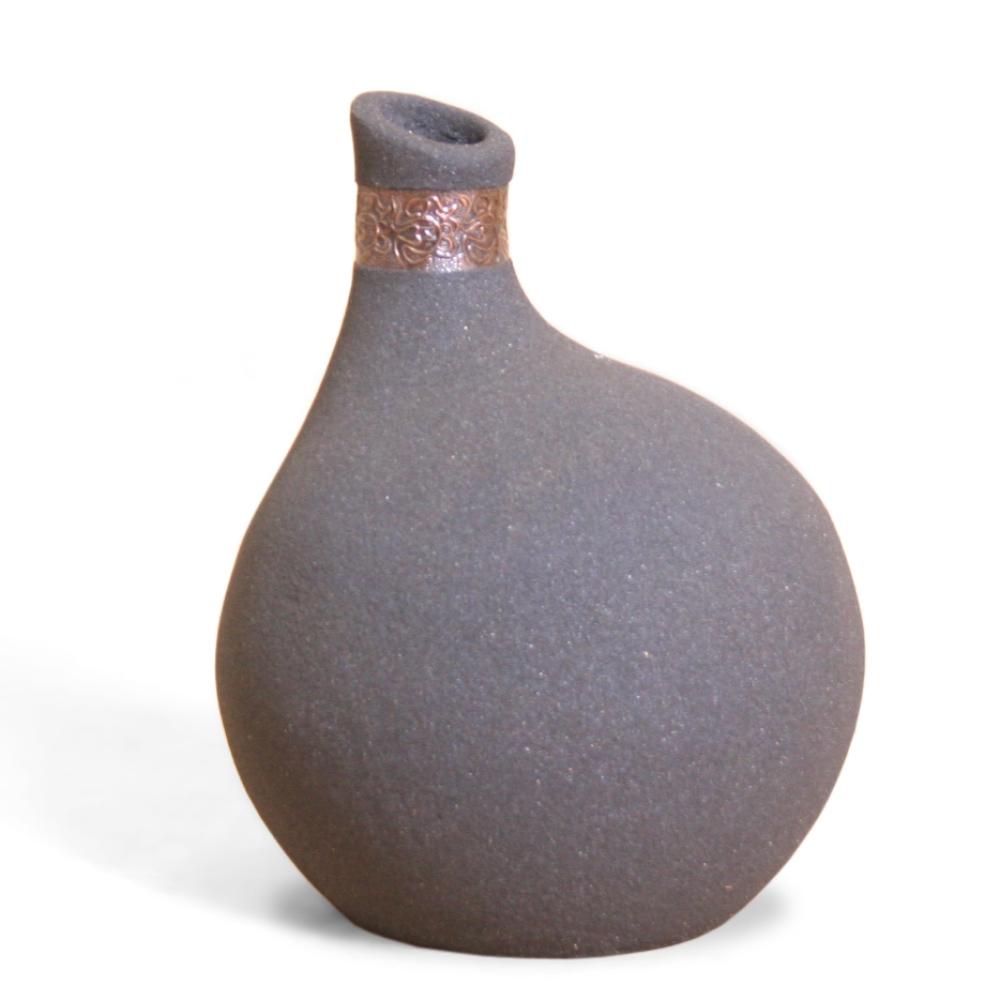
At first glance, the GUCI BAWANG captivates the eye with its charming, organic silhouette. Unlike standard cylindrical vases or geometric urns, this piece features a delightfully rounded, bulbous body that tapers gracefully toward a modest neck and rim. This shape is inherently pleasing to the human eye, echoing the soft, rounded contours found in nature—from gourds and seed pods to smooth river stones.
The visual appeal of the GUCI BAWANG is heavily anchored in its material: genuine terracotta. The surface boasts that signature warm, reddish-brown earthy tone that instantly infuses any room with a welcoming, rustic ambiance. Depending on the lighting in your room, the terracotta shifts in hue, catching the morning sun with a golden terracotta glow or deepening into rich, moody rust tones under evening lamplight.
What makes terracotta so visually compelling is its subtle texture. It is neither overwhelmingly rough nor artificially smooth; instead, it offers a tactile, porous quality that feels authentic and alive. The surface catches light and shadow in a way that synthetic materials simply cannot replicate, giving the GUCI BAWANG a dynamic presence that changes subtly throughout the day. Whether placed on a minimalist entryway console, a rustic wooden dining table, or nestled among lush green foliage on a patio, this guci acts as an immediate focal point without ever feeling loud or pretentious.
Dimensions, Scale, and Proportion
When selecting decorative objects for interior spaces, scale is everything. Too large, and the piece overwhelms the room; too small, and it gets lost among other furnishings. The GUCI BAWANG strikes a near-perfect balance, making it one of the most versatile medium-sized decor pieces available.
With a height of 27.0000 cm (approximately 10.6 inches) and a width and depth of 22.0000 cm (approximately 8.6 inches), the GUCI BAWANG possesses a robust, substantial footprint. It is wide enough to anchor a surface visually, yet compact enough to fit comfortably on standard bookshelves, sideboards, mantels, and coffee tables.
The nearly 1:1 proportion between its width and height (22 cm by 27 cm) contributes heavily to its stable, grounded appearance. It looks rooted to the surface it rests upon, conveying a sense of permanence and architectural stability. Furthermore, with a calculated CBM (Cubic Meter) of just 0.0131 m³, it is remarkably efficient in terms of volumetric space, meaning it delivers a massive visual impact without demanding an excessive amount of physical footprint in your room layout.
Material Integrity: The Beauty and Function of Terracotta
Terracotta—literally translating to "baked earth" in Italian—is one of the oldest and most enduring mediums in human history. From ancient Greek amphorae to traditional Southeast Asian water vessels, fired clay has sustained civilizations for millennia. By choosing terracotta for the GUCI BAWANG, the creators have tapped into this rich historical lineage, offering a product that is deeply authentic.
One of the defining characteristics of terracotta is its porous nature. Because it is fired at relatively moderate temperatures, microscopic pores remain within the clay matrix. In practical terms, this gives the GUCI BAWANG a wonderfully organic character. While traditional terracotta is often used for plant pots because it allows roots to breathe, the GUCI BAWANG is primarily designed as a decorative "Guci" (jar/urn). However, its breathable material means that if you choose to use it for dried florals, pampas grass, or even live botanicals (with an internal liner), the vessel interacts with its environment in a subtle, organic way.
The durability of the GUCI BAWANG is another major selling point. When handled with reasonable care, terracotta is exceptionally long-lasting. It does not warp like wood, rust like iron, or shatter into microscopic splinters like cheap plastics. Over time, high-quality terracotta develops a subtle patina, absorbing oils from the air and gently aging in a way that only enhances its vintage, collected-over-time aesthetic.
Styling Versatility: Where and How to Use the GUCI BAWANG
One of the greatest joys of owning the GUCI BAWANG is experimenting with how and where to style it. Its design language is surprisingly adaptable, allowing it to seamlessly integrate into a wide variety of interior design styles:
1. Wabi-Sabi and Japandi Interiors
The philosophy of wabi-sabi finds beauty in imperfection, imperfection, and the natural cycle of growth and decay. The GUCI BAWANG fits this aesthetic like a glove. Pair it with minimalist dried branches, minimalist branches of eucalyptus, or leave it completely empty to celebrate its sculptural form against a lime-washed neutral wall.
2. Mediterranean and Tuscan Homes
In spaces that lean toward warm, sun-drenched European aesthetics, the reddish-brown tones of the terracotta vessel feel entirely at home. Place it on a distressed wooden console table alongside woven baskets, wrought iron candle holders, and linen textiles to create a cohesive, inviting atmosphere.
3. Bohemian and Eclectic Spaces
Boho decor thrives on texture, global influences, and natural materials. The GUCI BAWANG can be styled as part of a curated vignette, perhaps surrounded by colorful kilim rugs, rattan furniture, brass accents, and an abundance of trailing houseplants.
4. Modern Minimalist Spaces
In a stark, contemporary room characterized by concrete, glass, and monochromatic color palettes, the GUCI BAWANG provides a much-needed dose of organic warmth. It acts as an artistic anchor, breaking up the coldness of modern architecture with the grounding energy of baked earth.
Practical Considerations and Maintenance
While the GUCI BAWANG is primarily a decorative art piece, understanding how to care for it will ensure it remains a cherished part of your home for decades to come.
- Cleaning: Dust the exterior regularly with a soft, dry cloth or a feather duster. Avoid using harsh chemical sprays or abrasive scouring pads, as these can scratch or dull the natural terracotta finish.
- Water Usage: Because terracotta is porous, if you intend to use the GUCI BAWANG for fresh flowers with water, it is strongly recommended to place a waterproof vessel or glass jar inside the cavity first. This prevents moisture from slowly seeping through the clay walls and damaging the surface of your furniture.
- Placement: While terracotta is sturdy, it is still ceramic material. It should be placed on stable, flat surfaces where it is not at high risk of being knocked over by pets or children. If used outdoors on a patio or garden terrace, bring it indoors during freezing winter months, as trapped moisture inside the clay pores can expand and crack the material when subjected to sub-zero temperatures.
The Emotional Resonance of Artisan Decor
Beyond the physical specifications, the aesthetic appeal, and the styling tips, owning a piece like the GUCI BAWANG touches on something deeper: our psychological need for connection. In a hyper-digital world where so much of what we interact with is intangible and mass-produced, having objects in our homes that were shaped from the literal mud of the earth brings a sense of comfort and grounding.
The GUCI BAWANG carries the warmth of the kiln, the touch of the artisan’s hands, and the timeless tradition of pottery making. Every time you walk past it in your hallway or glance at it while sitting in your living room, it serves as a quiet reminder to slow down, appreciate simplicity, and bring a touch of the natural world indoors.
Final Verdict
The GUCI BAWANG is a triumph of simple, elegant design executed in a timeless medium. With its harmonious proportions (27 cm height, 22 cm width and depth), its delightful onion-inspired silhouette, and the rich, earthy appeal of genuine terracotta, it transcends fleeting interior design trends to become a classic staple piece.
Whether you are looking to revitalize a forgotten corner of your living room, complete a tablescaping project, or gift a discerning design enthusiast with something truly special, the GUCI BAWANG delivers on all fronts. It is beautiful, durable, versatile, and deeply soul-satisfying. For anyone seeking to infuse their living space with authenticity, warmth, and quiet sophistication, the GUCI BAWANG is an investment in your home’s aesthetic and emotional well-being that you will never regret.
| guci bawang Detail | ||||||||||
|---|---|---|---|---|---|---|---|---|---|---|
| Dimension |
| |||||||||
| Model | Guci | |||||||||
| Material | Terracota | |||||||||